Blog
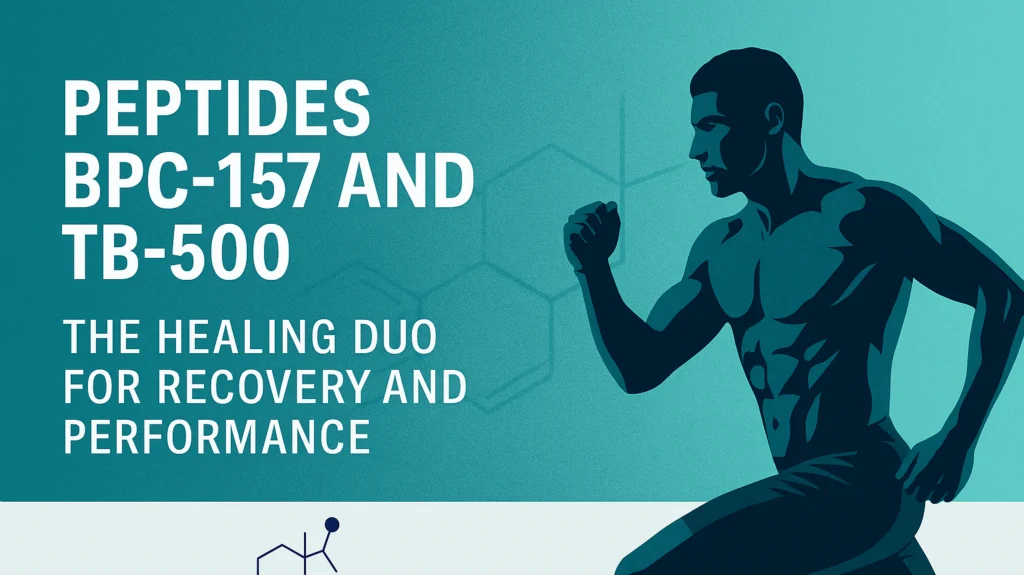
How BPC 157 & TB-500 Support Faster Recovery in Research Models
Apr
How BPC 157 & TB-500 Support Faster Recovery in Research Models
The Science Behind Peptide-Based Healing
Peptide research has grown rapidly in recent years, especially in the field of recovery and regeneration. BPC 157 and TB-500 are at the center of this interest due to their unique ability to influence healing processes.
These peptides are studied for how they interact with the body’s repair systems, helping researchers better understand recovery speed, inflammation, and tissue regeneration.
Tissue Repair and Regeneration
One of the main focuses of peptide research is how quickly tissue can repair itself. Studies often look at:
Muscle recovery after stress
Tendon and ligament repair
Wound healing speed
BPC 157 is often linked to faster repair in specific areas, while TB-500 helps support overall recovery.
Angiogenesis and Blood Flow
Both peptides are associated with angiogenesis, which is the formation of new blood vessels. This is important because better blood flow means faster delivery of nutrients and oxygen to damaged tissues.
Improved circulation is one of the key reasons these peptides are studied together.
Inflammation Reduction
Inflammation is a major factor in delayed recovery. Research involving these peptides often explores how they may help reduce inflammatory responses and improve healing conditions.
Why Combined Use is Popular
Faster recovery times
Improved tissue quality
Balanced healing responses
This combination approach is now widely used in advanced peptide studies.
BPC 157 & TB-500
BPC 157 and TB-500 continue to be key compounds in recovery research. Their combined effects make them valuable tools for studying regeneration and healing.


Pingback: BPC 157 vs TB-500 – Which Peptide Works Best - synedica uk