
Synedica Retatrutide — Synedica Peptides
Synedica Retatrutide is a laboratory-grade research peptide designed for scientific investigation into metabolic regulation and energy balance pathways. It belongs to a class of multi-receptor agonists being studied for their interaction with GLP-1, GIP, and glucagon receptors, which play key roles in appetite signalling, glucose control, and energy expenditure.
This compound is intended strictly for research environments and is used to better understand complex metabolic processes in controlled experimental settings.
Mechanism of Action
Retatrutide is being studied for its triple-pathway receptor activity, which distinguishes it from single-target metabolic compounds. Researchers are interested in how simultaneous activation of GLP-1, GIP, and glucagon receptors may influence:
- Appetite regulation and satiety signalling
- Glucose metabolism and insulin response pathways
- Energy expenditure and lipid metabolism
This multi-receptor approach is central to ongoing metabolic and endocrinology research models.
Synedica Retatrutide 40mg Applications
Synedica Retatrutide is commonly used in scientific studies focused on:
- Obesity and metabolic disorder models
- Energy balance and caloric regulation research
- Insulin sensitivity and glucose homeostasis studies
- Comparative peptide mechanism analysis
Laboratory Standards & Handling
The Synedica formulation is produced under controlled laboratory-grade conditions to ensure consistency and stability in research environments. Proper handling is essential for maintaining integrity during studies.
Recommended storage conditions include refrigeration at 2–8°C, protection from light, and avoidance of temperature fluctuations. Handling procedures should always follow established research protocols.
Synedica Retatrutide Peptides
Synedica Retatrutide is a cutting-edge investigational peptide used in metabolic research to explore multi-receptor pathways involved in appetite, glucose regulation, and energy metabolism. It remains strictly for laboratory and research use, with ongoing studies aimed at understanding its full biological potential.
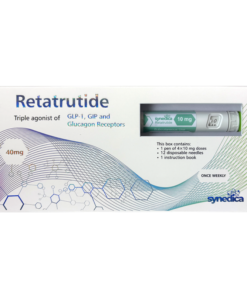
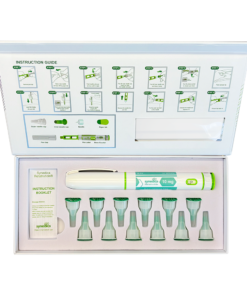
Synedica Retatrutide